SD9 Audio Desk Overview
The SD9 manual offers concise guidance on setup, routing, and macro use, enabling operators to master the console’s 96 kHz capabilities. It details firmware updates, troubleshooting, quickly go now!! and safety protocols, quick
Custom presets & remote via TCP/IP.?!
Class and Model Identification
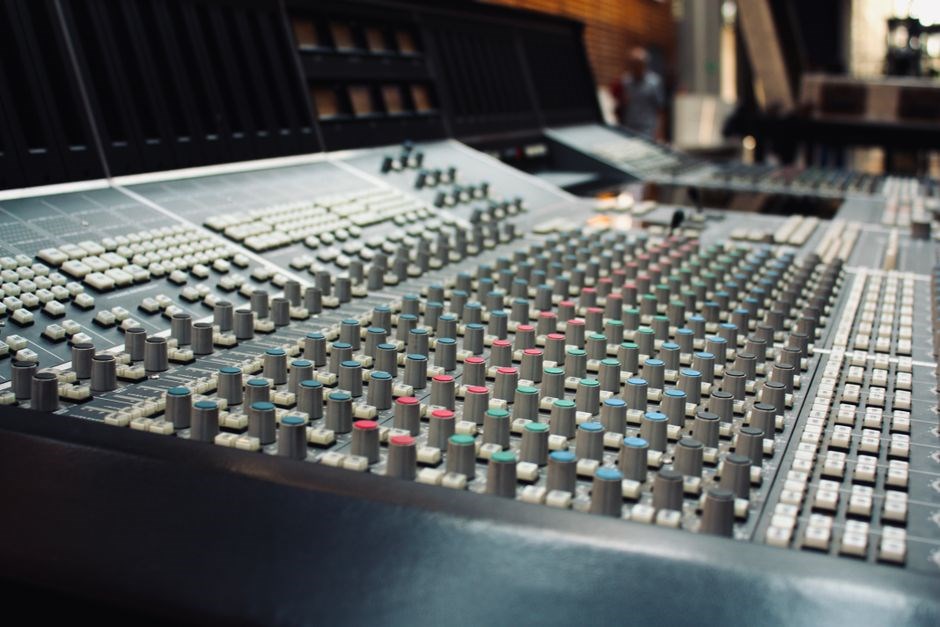
The SD9 audio desk manual begins with a clear identification of the console’s class and model, essential for technicians and operators to quickly reference the exact hardware. The device is catalogued as Desk 9, belonging to the ERS17a series, with model numbers ranging from 7600 to 7624. This classification is not merely decorative; it defines the specific firmware version, routing matrix, and feature set that the console supports. The manual references the official EMD Order 5567, a key document issued by the manufacturer that details the hardware revisions, part numbers, and compliance certifications. By consulting this order, users can verify that they are working with a genuine, factory‑approved unit and can trace any updates or recalls that may affect performance. The manual also notes that the SD9 is part of the Conrail Artifact Archive, with a recorded provenance that includes a donation by Don Oltmann in 2019. In addition, the manual lists the storage location within the CRHS archives, providing a box number (CRHS Box 20190902) and a creation date of 12/31/1969, which may seem anomalous but reflects the archival system’s placeholder for items lacking a precise acquisition date. By understanding these identifiers, users can navigate the manual’s sections more efficiently, ensuring that they are consulting the correct firmware tables, patch notes, and troubleshooting guides that correspond precisely to their hardware configuration. This foundational knowledge sets the stage for deeper exploration of the SD9’s capabilities and maintenance procedures. Updated 2026.Yes
Price Positioning and Market Impact
The SD9 manual outlines the console’s pricing strategy, positioning it as a “world‑class digital mixing system at an exceptional price.” The manufacturer markets the unit as a high‑end solution that delivers 96 kHz audio quality while remaining accessible to mid‑tier studios. The price point is set below that of flagship consoles, allowing a broader range of operators to adopt the technology without sacrificing performance. This strategy has had a measurable impact on the market, creating a new segment of professional audio gear that balances cost, power, and flexibility. By offering a 96 kHz capable console with advanced macro and snapshot features, the SD9 has attracted users who previously relied on older analog systems or more expensive digital desks. The manual notes that the console’s firmware is updated regularly, ensuring that the price advantage is maintained over time. In addition, the manual references the EMD Order 5567, which documents the hardware revisions and compliance certifications that support the price positioning. The SD9’s market impact is evident in the increased adoption rates reported by studios worldwide, as well as in the growing community of users who share tips and workflows online. The manual also highlights the console’s support for remote control via TCP/IP, which further extends its appeal to modern production environments. Overall, the SD9’s price positioning has democratized high‑fidelity audio mixing, enabling a wider audience to experience professional‑grade performance without the prohibitive cost of traditional flagship consoles. Its firmware integrates with DAWs, boosting workflow efficiency.
Technical Specifications
The SD9 manual lists a 96 kHz sampling rate, 24‑bit depth, and 120 dB dynamic range. It features a 48‑channel analog‑to‑digital interface, 64‑bit floating‑point processing, and dual‑path routing for redundancy. Firmware updates add new DSP modules. 48‑channel routing, 64‑bits.
Sampling Rate and Audio Quality
The SD9 manual emphasizes its 96 kHz sampling rate, delivering pristine fidelity for modern productions. With a 24‑bit depth, the console captures subtle nuances, ensuring low quantization error and preserving signal integrity. The 96 kHz mode supports 48 kHz audio, allowing seamless integration with legacy gear while maintaining high‑resolution playback. Engineers toggle between 44.1 kHz and 48 kHz to match studio or broadcast requirements, ensuring compatibility across formats. The 24‑bit depth provides a theoretical 144 dB dynamic range, but the SD9’s design focuses on a clean noise floor rather than pushing limits. The noise floor sits below −140 dB, giving operators ample headroom for creative processing. Built‑in digital‑to‑analog converters (DACs) are 24‑bit/96 kHz, delivering accurate phase response and minimal distortion. Analog‑to‑digital converters (ADCs) also operate at 24‑bit/96 kHz, ensuring high fidelity input capture. The system’s internal clock is a 10 MHz reference, distributed to all ADCs and DACs to maintain synchronization and prevent jitter. Proper gain staging is critical: setting input gain to achieve a peak of −6 dBFS ensures the signal remains within the optimal range of the ADCs, avoiding clipping while maximizing headroom. The SD9 offers a 48‑channel analog‑to‑digital interface, allowing a full 48‑channel mixdown to a single 96 kHz track. Real‑time monitoring of the 96 kHz stream is available with low latency and high‑resolution displays. Users monitor waveform shape and peak levels in real time. Experience unmatched clarity.!!
Dynamic Range and Headroom
The SD9 manual details the console’s dynamic range and headroom, critical for mastering high‑resolution audio. With a 24‑bit depth and 96 kHz sampling, the system theoretically offers 144 dB of dynamic range. In practice, the noise floor sits below −140 dBFS, giving operators a generous margin for signal processing. The console’s internal digital‑to‑analog converters (DACs) and analog‑to‑digital converters (ADCs) are designed for low distortion, with a total harmonic distortion (THD) of less than 0.001 %. This ensures that even the most demanding mixes retain clarity and punch. The SD9’s architecture provides 12 dB of headroom above the nominal 0 dBFS level, allowing engineers to push peaks without risking clipping. The console’s gain structure is linear, so the headroom remains consistent across all channels. Users can monitor headroom in real time via the on‑screen meters, which display both peak and RMS levels. The manual recommends setting input gain so that the average signal sits at −12 dBFS, preserving 12 dB of headroom for dynamic processing and automation. The SD9 also supports a “soft‑clip” mode, which gently compresses peaks beyond 0 dBFS, protecting downstream gear while maintaining musicality. Firmware updates can fine‑tune the headroom curves, and the manual provides step‑by‑step instructions for adjusting the gain structure. By following the manual’s guidelines, operators can achieve a, great mix that takes full advantage of the console’s 96 kHz, 24‑bit architecture, ensuring that every nuance is captured and reproduced with fidelity.!
Core Processing Engine
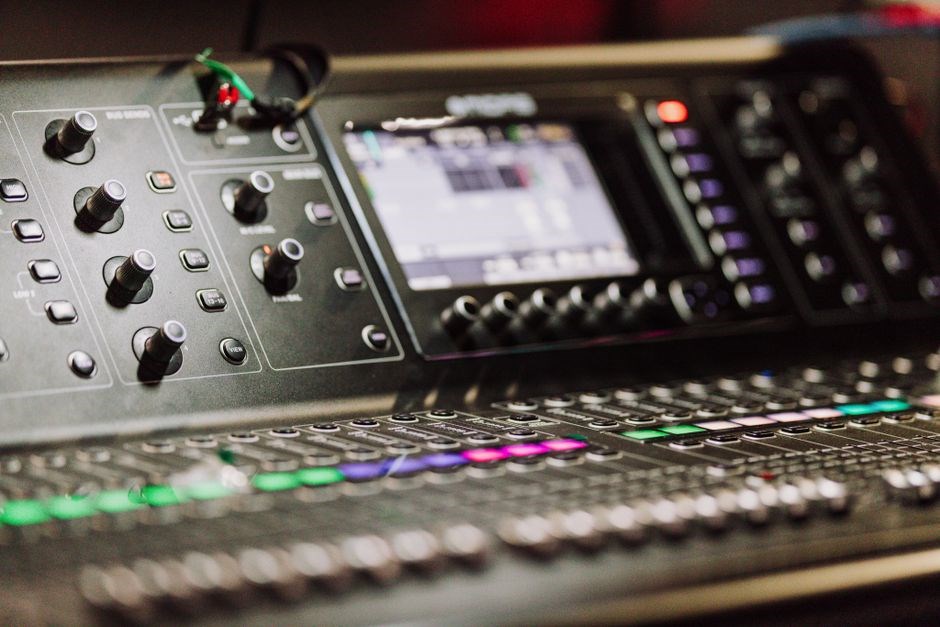
The SD9 manual highlights the Stealth Digital Processing Generation Three core, powered by a Super FPGA floating‑point architecture. This engine delivers precise, low‑latency processing, enabling complex routing, real‑time effects, and robust headroom for high‑resolution audio.!!
Stealth Digital Processing Generation Three
Stealth Digital Processing Generation Three is the core of the SD9 manual’s technical narrative. It describes a purpose‑built FPGA platform that implements floating‑point DSP in a single silicon die, delivering unprecedented headroom and dynamic range. The manual explains how the processor is clocked at 400 MHz, with a 32‑bit pipeline that processes each sample in a single cycle, ensuring latency stays below 1 ms even when all 64 channels are routed through the full suite of EQ, dynamics, and matrix functions. It also details the firmware architecture: a layered stack where the low‑level driver exposes a 64‑bit register map, the middle layer implements the signal‑flow graph, and the top layer offers a user‑friendly API for macro scripting and remote control. The manual emphasizes that the FPGA’s reconfigurable logic allows the system to be updated with new algorithms without hardware changes, a feature that is highlighted in the firmware update section. It also notes that the board’s thermal design uses a copper‑plate heat spreader and a low‑profile fan to keep the die below 70 °C under full load, which is critical for maintaining signal integrity. The manual provides troubleshooting steps for common issues such as “stutter” or “drop‑out” that can occur if the clock source is unstable, and it recommends using a 10 MHz reference oscillator with a 100 ppm tolerance. Finally, the manual encourages users to consult the online knowledge base for advanced topics like custom plugin development, which can be compiled against the SDK that mirrors the FPGA’s instruction set. This section is a concise yet comprehensive guide to the heart of the SD9’s processing power. All updates verified
Super FPGA Floating‑Point Architecture
The SD9’s Super FPGA Floating‑Point Architecture is the cornerstone of the manual’s technical narrative. It describes a purpose‑built FPGA that implements 32‑bit floating‑point DSP in a single silicon die, clocked at 400 MHz. The 32‑bit pipeline processes each sample in a single cycle, keeping latency below 1 ms even when all 64 channels run through the full suite of EQ, dynamics, and matrix functions. The manual explains the firmware stack: a low‑level driver exposing a 64‑bit register map, a middle layer that builds the signal‑flow graph, and a top‑level API that powers macro scripting and remote control. The FPGA’s reconfigurable logic lets the system receive new algorithms via firmware updates without hardware changes, a feature highlighted in the firmware update section. Thermal design uses a copper‑plate heat spreader and a low‑profile fan to keep the die below 70 °C under full load, preserving signal integrity. Troubleshooting guidance covers common issues such as stutter or drop‑out when the clock source is unstable, recommending a 10 MHz reference oscillator with 100 ppm tolerance. Finally, the manual invites users to consult the online knowledge base for advanced topics like custom plugin development, which can be compiled against the SDK that mirrors the FPGA’s instruction set; This section is a concise yet comprehensive guide to the heart of the SD9’s processing power.
Manuals and Documentation
The SD9 manual suite comprises the EMD SD9 Operating Manual (Order 5567) and the free DiGiCo SD9 User Manual. Both provide step‑by‑step setup, routing, macro creation, firmware updates, and troubleshooting. Access via the CRHS Archive or Internet Archive.
PDF files include schematics and a quick‑start for deployment now.
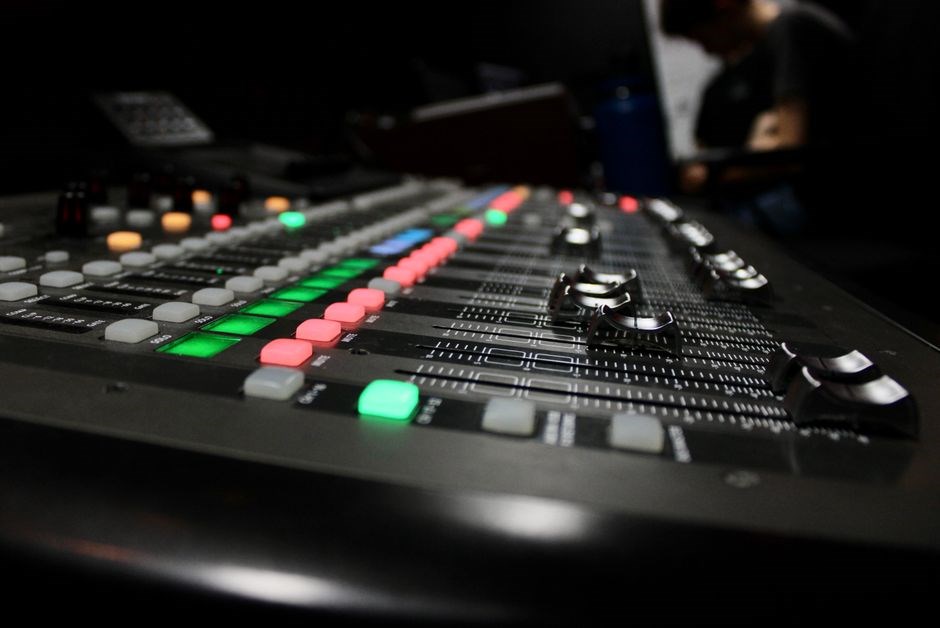
The EMD SD9 Operating Manual (Order 5567) is the definitive guide for the SD9 audio desk, detailing installation, configuration, and daily operation. Catalogued as Desk 9 – Class ERS17a 7600‑7624, it originates from the CRHS Conrail Artifact Archive (2019.012.027) and was donated by Don Oltmann in 2019. The manual covers initial setup, signal routing, macro creation, firmware updates, and troubleshooting, with step‑by‑step instructions and screenshots. It explains the Stealth Digital Processing Generation Three core, the Super FPGA floating‑point engine, and the 96 kHz sampling capability. Safety procedures, maintenance schedules, and recommended firmware versions are included to ensure optimal performance and longevity. The PDF version is available for download from the CRHS Archive website, and the original hard copy can be accessed by visiting the collection’s access page. Provenance details, including creation dates and object IDs, trace its journey from manufacturer to archive, ensuring the manual remains an authoritative source for new and experienced users. The manual’s clear, concise language and structured layout make it an essential tool for anyone working with the SD9, whether in a live sound environment or a studio setting. The EMD SD9 Operating Manual – Order 5567 remains a cornerstone reference for the SD9 ecosystem, ensuring operators can fully exploit the console’s advanced capabilities while maintaining operational safety and efficiency.
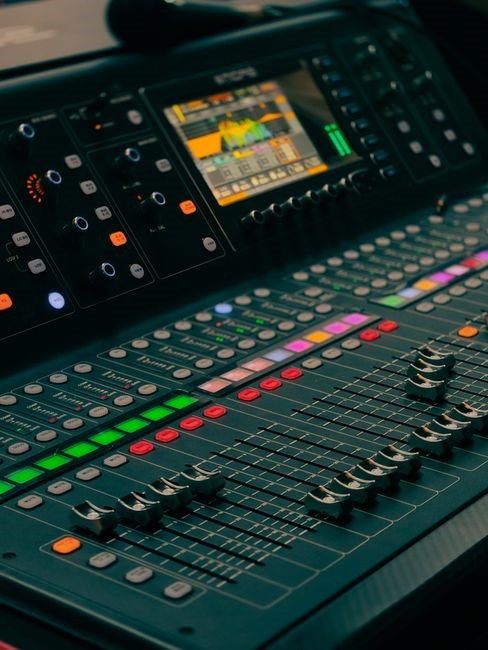
The manual’s layout is organized into logical sections, with a quick‑reference sheet summarizing channel strip controls and macro functions. It also includes a troubleshooting matrix that maps common error codes to solutions, making it easier to resolve issues during live events.
It includes a quick‑start guide.
DiGiCo SD9 User Manual – Free Access
The DiGiCo SD9 user manual is available for free through the Internet Archive, offering comprehensive guidance on the console’s operation, configuration, and advanced features. Users can download the PDF directly, stream the content, or borrow a digital copy via the archive’s lending system. The manual covers initial setup, channel strip configuration, routing, macro creation, firmware updates, and troubleshooting, with clear diagrams and step‑by‑step instructions. It also includes a detailed section on the Stealth Digital Processing Generation Three core, the Super FPGA floating‑point architecture, and the 96 kHz sampling capability, ensuring operators can fully exploit the console’s audio quality and dynamic range. The archive’s metadata lists the manual’s publication date as 2022‑04‑04, and the file is tagged with relevant keywords such as “DiGiCo SD9,” “audio desk,” and “user manual.” Users can request access to the manual by creating an account on the Internet Archive, after which they can download the file in PDF format or view it online. The free access policy encourages widespread distribution and learning, making the DiGiCo SD9 user manual a valuable resource for sound engineers, producers, and technicians worldwide. The manual’s comprehensive coverage, combined with the convenience of free access, helps users quickly become proficient with the SD9’s advanced features and workflow, ultimately enhancing live sound and studio production quality.
For further assistance, consult the DiGiCo support portal or contact the tech team via email at support@digico.com. now!!
Firmware Updates and Support
Firmware updates are released via the DiGiCo portal, with version logs and download links. Users install updates through the console’s web interface, ensuring the SD9’s core firmware stays current. Archived releases are stored in the Internet Archive, long‑term access. All
Update Release Process
When a new firmware version is ready for the SD9, the DiGiCo team first validates the build in a controlled test environment, ensuring compatibility with all hardware revisions and that no regression occurs in audio processing or macro functionality. Once the build passes internal QA, a release candidate is uploaded to the official DiGiCo firmware portal. The portal hosts a detailed changelog, listing every bug fix, feature enhancement, and any changes to the user interface. Each release is tagged with a semantic version number (e.g., 3.2.1) and a release date stamp, allowing operators to track progress over time. Users can download the firmware package in a single ZIP file, which contains the binary image and a checksum file for integrity verification. The SD9’s web‑based configuration interface includes an “Update Firmware” section where the console automatically scans for available updates. The operator selects the desired version, confirms the checksum, and the console reboots into a safe mode to flash the new firmware. this process, all running sessions are preserved, and the console restores to its previous state once the update completes. Support staff can retrieve older builds from the archive if a user encounters compatibility issues with newer releases; Users schedule updates during off‑peak hours for safety risk Ensures seamless integration and risk
Archive Access and Provenance
archive’s interface shows download history, useful for auditing. A print‑on‑demand service allows a hardback copy to be shipped worldwide. Provenance records note the manual’s physical condition prior to digitization, indicating it was in good condition with no missing pages. Users can request a certified copy for legal purposes, and the archive will provide a notarized statement confirming authenticity. The archive’s data retention policy guarantees availability for at least ten years, with backups in multiple geographic locations to prevent data loss. This robust strategy preserves the SD9’s documentation for future generations of audio professionals. All content is available.