Recent dietary trends, mirroring past fads like high-fat or gluten-free approaches, now focus on lectin avoidance, prompting questions about these compounds and related food lists.
What are Lectins?
Lectins are a large family of proteins found in nearly all living organisms, including plants, animals, and humans. They’re often described as “sticky” proteins because of their ability to bind to carbohydrate molecules. This binding capability is crucial for various biological processes, like cell recognition and communication.
However, some lectins are considered potentially problematic when consumed, particularly those found in raw or improperly prepared foods. These lectins can interfere with the body’s digestive processes, potentially causing inflammation or nutrient absorption issues. The focus on lectin avoidance stems from the belief that minimizing their intake can improve overall health and well-being, leading to the search for comprehensive lectin food lists.
Why the Growing Interest in Lectin Avoidance?
The rising popularity of lectin-free diets mirrors a broader trend towards personalized nutrition and identifying potential food sensitivities. Proponents suggest that lectins contribute to inflammation, gut permeability (“leaky gut”), and autoimmune responses in susceptible individuals. This interest is fueled by anecdotal evidence and growing online communities sharing experiences and lectin food lists.
Furthermore, the appeal lies in the perceived simplicity of eliminating certain food groups. Like gluten-free diets, a lectin-free approach offers a defined set of “forbidden” foods, providing a sense of control. However, it’s crucial to note that scientific evidence supporting widespread lectin avoidance remains limited, prompting debate and the need for reliable information sources, like detailed lectin food lists.
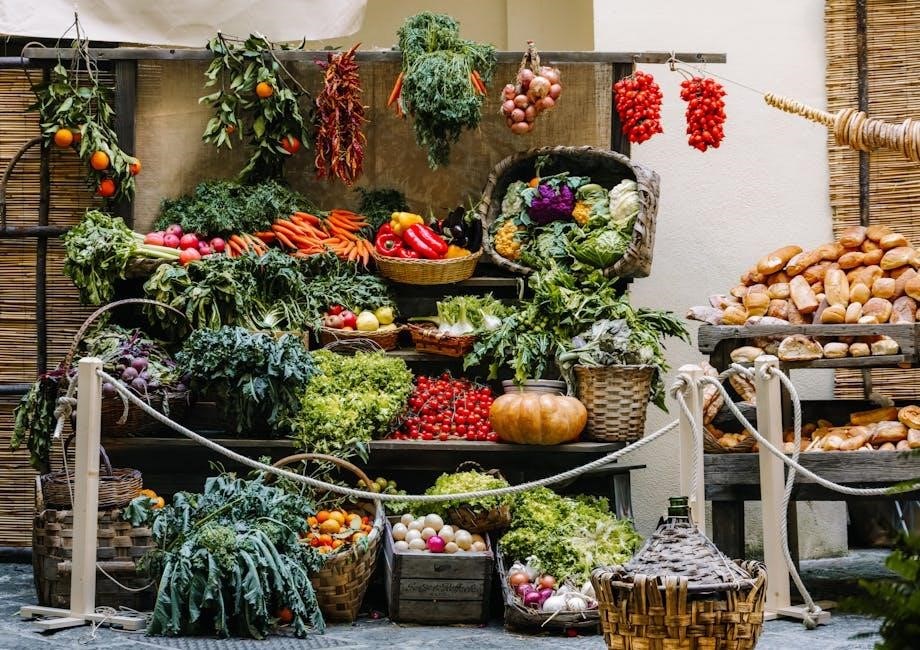
Foods High in Lectins: A Comprehensive List
Identifying lectin-rich foods is key for those considering dietary changes; lectin food lists often highlight legumes, grains, nightshades, and certain seeds as primary sources.
Legumes: The Primary Lectin Source
Legumes consistently rank highest on lectin food lists due to their significant lectin content. This family includes beans – kidney, black, pinto, and navy varieties being particularly notable – and lentils, staples in many diets worldwide.
Peanuts, despite often being considered nuts, are botanically legumes and share this high lectin profile. Understanding this is crucial when reviewing a lectin food list PDF. The concentration of lectins within legumes varies, but generally, they require careful preparation – like soaking and pressure cooking – to potentially reduce their levels.
Many proponents of the lectin-free diet advocate for minimizing or eliminating legume consumption altogether, referencing potential digestive issues and inflammatory responses. Therefore, a detailed lectin food list PDF is invaluable for informed dietary choices.
Beans (Kidney, Black, Pinto, Navy)
Common beans – kidney, black, pinto, and navy – are central to any comprehensive lectin food list PDF. They represent a significant source of lectins, particularly phytohaemagglutinin, which can interfere with gut health. A detailed lectin food list PDF will often categorize these beans as “high-lectin” foods requiring avoidance or specific preparation techniques.
Proper cooking methods, such as prolonged boiling or pressure cooking, are often suggested to reduce lectin levels, but complete elimination isn’t guaranteed. Individuals following a strict lectin-free diet frequently exclude these beans entirely. Consulting a lectin food list PDF helps clarify the extent of lectin content and guides appropriate dietary modifications.
Understanding the lectin load in these beans is vital for those seeking to minimize their intake and manage potential sensitivities.
Lentils
Lentils consistently appear as a high-lectin food on most lectin food list PDFs, making them a key consideration for those adopting a lectin-avoidant approach. Like beans, lentils contain phytohaemagglutinin and other lectins that may disrupt digestive processes. A comprehensive lectin food list PDF will highlight lentils as a primary source requiring careful attention.
While cooking can reduce lectin content, it doesn’t necessarily eliminate it completely. Many individuals adhering to a strict lectin-free diet choose to avoid lentils altogether. A detailed lectin food list PDF often provides guidance on soaking and cooking methods aimed at minimizing lectin impact, but complete removal remains challenging.
Therefore, awareness of lentil’s lectin profile is crucial for informed dietary choices.
Peanuts
Peanuts are frequently identified as a significant lectin source within detailed lectin food list PDFs, despite often being categorized as legumes. They contain various lectins, potentially causing digestive discomfort or interfering with nutrient absorption for sensitive individuals. A well-structured lectin food list PDF will clearly indicate peanuts as a food to limit or avoid.
Interestingly, peanuts differ from many other legumes in their growth pattern, developing underground. However, this doesn’t alter their lectin content. Many lectin food list PDFs emphasize that roasting or cooking peanuts doesn’t fully neutralize these compounds.
Consequently, careful consideration of peanut consumption is vital when following a lectin-reduced diet.
Grains: Lectin Content and Considerations
Detailed lectin food list PDFs consistently highlight grains as a notable source of lectins, requiring careful consideration for those adopting a lectin-reduced diet. Wheat, in particular, receives significant attention due to its high concentration of Wheat Germ Agglutinin (WGA), a potent lectin. These PDF charts often categorize grains based on lectin levels, aiding informed food choices.
Furthermore, lectin food list PDFs frequently compare brown rice and white rice, noting that while both contain lectins, processing reduces the amount in white rice. Corn also appears on many lists, though its lectin impact is often considered moderate.
Understanding these nuances, as presented in a comprehensive PDF, is crucial for effective lectin management.
Wheat (and Wheat Germ Agglutinin ౼ WGA)
Lectin food list PDFs universally identify wheat as a primary concern for individuals avoiding lectins, largely due to its substantial Wheat Germ Agglutinin (WGA) content. WGA is a particularly sticky lectin, potentially interfering with gut function, as detailed in many PDF resources. These charts often emphasize complete wheat avoidance, including whole wheat, spelt, and kamut.
PDF guides frequently explain that WGA’s resistance to digestion contributes to its potential effects; Some lectin food lists also address wheat germ specifically, noting its concentrated WGA levels.
Therefore, a thorough PDF review is essential for understanding wheat’s lectin profile and making informed dietary decisions.
Rice (Brown Rice vs. White Rice)
Lectin food list PDFs often present a nuanced view of rice, differentiating between brown and white varieties. While both contain lectins, brown rice generally exhibits higher concentrations due to the presence of the bran layer. PDF charts frequently highlight this distinction, advising those strictly avoiding lectins to favor white rice.
However, many PDF resources also acknowledge that the lectin content in rice is relatively low compared to legumes or wheat. Some guides suggest thorough rinsing and cooking can further reduce lectin levels in brown rice.
Therefore, a detailed PDF comparison is crucial for understanding the lectin profiles and making informed choices.
Corn
Lectin food list PDFs typically categorize corn as a moderate lectin-containing food, requiring consideration for those following a strict avoidance diet. The lectins present in corn are found throughout the kernel, meaning all forms – including sweet corn, popcorn, and cornmeal – contain these proteins.
PDF charts often indicate that processing methods, such as nixtamalization (used in making masa for tortillas), can significantly reduce lectin content. This traditional process involves soaking and cooking corn in an alkaline solution.
Consequently, a comprehensive PDF guide will detail the varying lectin levels based on corn type and preparation, aiding individuals in navigating this common grain within a lectin-free framework.
Nightshade Vegetables: A Controversial Category
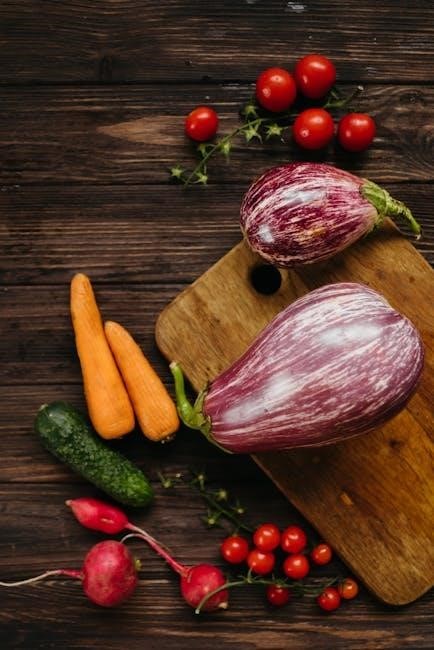
Lectin food list PDFs frequently highlight nightshade vegetables – tomatoes, potatoes, eggplant, and peppers – as a particularly debated group within the lectin-free diet. The controversy stems from the concentration of alkaloids alongside lectins, potentially exacerbating inflammation in sensitive individuals.
PDF resources often detail varying lectin levels within each nightshade; for example, white potatoes generally contain higher amounts than sweet potatoes. Preparation methods, like peeling and removing seeds, are noted as potential mitigation strategies.
A detailed PDF will emphasize that individual tolerance varies, and complete elimination isn’t universally necessary, offering guidance for cautious reintroduction and symptom monitoring.
Tomatoes
Lectin food list PDFs consistently identify tomatoes as a significant source of lectins, specifically solanine, an alkaloid often linked to inflammation. These resources detail how different tomato varieties – heirloom, cherry, Roma – may exhibit slightly varying lectin concentrations.
PDF guides often suggest removing the seeds and skin of tomatoes to reduce lectin content, as these parts contain a higher concentration. Cooking tomatoes, particularly with fats, is also presented as a method to potentially denature some lectins.
A comprehensive PDF will acknowledge that tomato sensitivity is individual, and complete avoidance may only be necessary for those experiencing adverse reactions.
Potatoes (White Potatoes)
Lectin food list PDFs frequently categorize white potatoes as high-lectin foods, primarily due to the presence of solanine and chaconine, glycoalkaloids with lectin-like properties. These downloadable charts often detail how lectin levels can fluctuate based on potato color; green potatoes contain significantly higher concentrations.
PDF resources commonly recommend peeling potatoes thoroughly, as a substantial portion of lectins resides in the skin. Boiling is often highlighted as a preferred cooking method, potentially reducing lectin content compared to baking or frying.
A detailed PDF will also note that individual tolerance varies, and complete elimination isn’t universally required, focusing on symptom management.
Eggplant
Lectin food list PDFs consistently identify eggplant as a nightshade vegetable with notable lectin content, specifically referencing its agglutinins. These charts often emphasize that eggplant’s skin and seeds harbor the highest concentrations of these compounds, influencing preparation recommendations.
PDF resources frequently suggest peeling eggplant and removing the seeds before cooking to minimize lectin intake. Soaking cut eggplant in salted water is another technique detailed in these guides, aiming to draw out some lectins.
A comprehensive PDF will also explain that cooking methods like roasting or grilling may not significantly reduce lectin levels, unlike prolonged boiling.
Peppers (Bell Peppers, Chili Peppers)
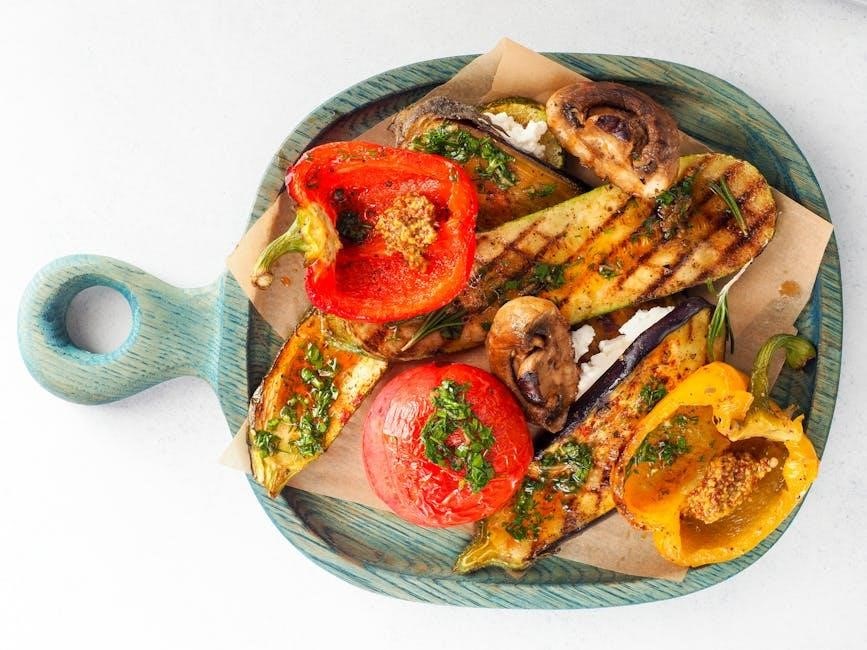
Lectin food list PDFs categorize both bell peppers and chili peppers within the nightshade family, noting their varying lectin concentrations. These resources often detail that chili peppers, particularly when dried and powdered, generally contain higher lectin levels than bell peppers.
PDF charts frequently advise removing the seeds and membranes from peppers to reduce lectin intake, as these areas accumulate a significant portion of the compounds. Cooking methods are also addressed; roasting or stir-frying may not drastically alter lectin content.
A detailed PDF guide will explain that individual sensitivity to pepper lectins varies, and complete avoidance might be necessary for some following a strict lectin-free diet.
Other Foods Containing Lectins
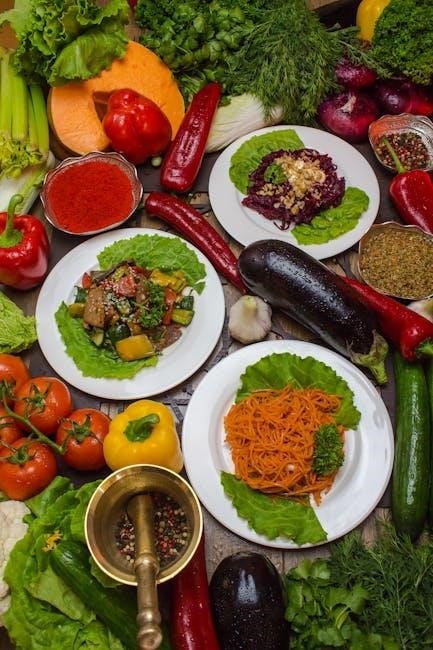
Lectin food list PDFs expand beyond primary sources like legumes and grains, identifying several other foods with notable lectin presence. PDF charts often highlight dairy products, specifically casein, as containing lectins, prompting some to opt for alternatives.
Seeds, including sunflower, pumpkin, and chia seeds, are also listed, though their lectin levels are generally considered lower than those in beans or wheat. These PDF resources emphasize that processing, like soaking or sprouting, can reduce lectin content.

Comprehensive PDF guides will also mention certain fruits and even some herbs, though typically in smaller quantities, advising mindful consumption within a lectin-avoidant framework.
Dairy Products
Lectin food list PDFs frequently identify dairy as a source of lectins, specifically focusing on casein, a protein found in milk and related products. These PDF charts often detail how casein can bind to the intestinal lining, potentially causing digestive discomfort for sensitive individuals.
However, the lectin content and impact vary depending on the type of dairy; some PDF guides suggest fermented dairy like yogurt and kefir may have reduced lectin activity due to the fermentation process.
PDF resources often advise individuals following a strict lectin-free diet to explore dairy alternatives like almond or coconut milk, or to carefully monitor their tolerance to dairy consumption.
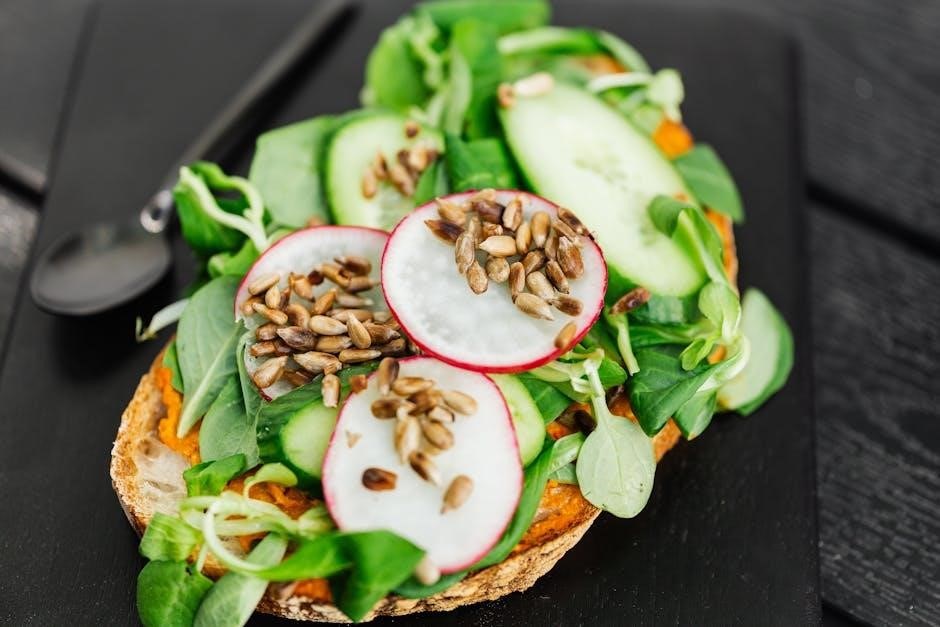
Seeds (Sunflower, Pumpkin, Chia)
Lectin food list PDFs commonly categorize sunflower, pumpkin, and chia seeds as containing moderate levels of lectins, requiring consideration for those strictly adhering to a lectin-free protocol. These PDF charts often highlight that seed hulls contribute significantly to lectin content.
Consequently, many PDF resources recommend choosing hulled or shelled versions of these seeds to minimize lectin intake. Soaking or sprouting seeds is also frequently suggested in PDF guides as a method to reduce lectin activity before consumption.
Individuals using a lectin food list PDF may choose to limit seed portions or eliminate them entirely, depending on their individual sensitivity and dietary goals.
Foods Generally Considered Low in Lectins
Lectin food list PDFs typically showcase fruits, vegetables (especially leafy greens and cruciferous types), and animal proteins as generally safe, low-lectin choices.
Fruits (Most Fruits are Low-Lectin)
Generally, most fruits are considered low in lectins, making them a staple in a lectin-reduced diet. Lectin food list PDFs consistently highlight this, offering a broad range of options for those seeking to minimize lectin intake. Berries – blueberries, strawberries, raspberries – are excellent choices, as are many tropical fruits like mangoes and papayas.
Apples and bananas are also frequently included on “safe” lists found within these PDFs. However, some fruits, like avocados and certain melons, may contain moderate levels and are sometimes noted with caution. It’s important to consult a comprehensive lectin food list PDF for specific details, as variations can occur based on fruit variety and ripeness. Prioritizing fruits is a simple way to enjoy sweetness while adhering to lectin-conscious eating.
Vegetables (Leafy Greens, Cruciferous Vegetables)
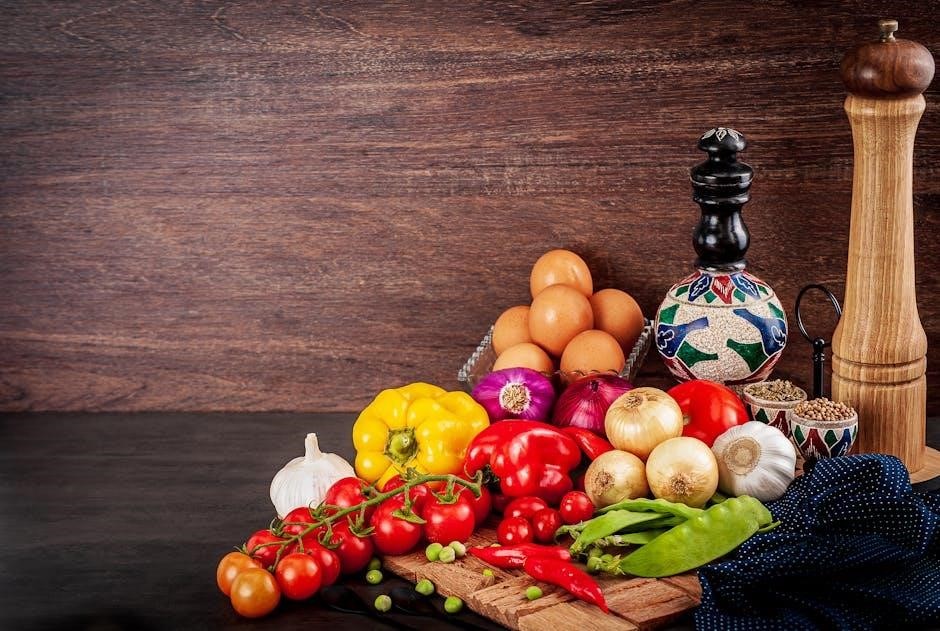
Leafy greens and cruciferous vegetables are generally well-tolerated and frequently appear as low-lectin options on lectin food list PDFs. Spinach, kale, lettuce, and collard greens provide essential nutrients with minimal lectin concerns. Similarly, broccoli, cauliflower, cabbage, and Brussels sprouts are considered safe choices for a lectin-reduced diet.
These vegetables are nutritional powerhouses, offering fiber, vitamins, and antioxidants. However, some lectin food list PDFs may advise steaming or cooking cruciferous vegetables to further reduce any potential lectin content. While not entirely lectin-free, these vegetables are a cornerstone of a healthy, lectin-conscious eating plan, offering versatility and substantial health benefits.
Meats, Poultry, and Fish
Meats, poultry, and fish are naturally free of lectins, consistently appearing as safe foods on comprehensive lectin food list PDFs. This makes them a foundational element of a lectin-free or reduced-lectin dietary approach. Grass-fed beef, organic poultry, and wild-caught fish provide high-quality protein and essential fats without the lectin concerns associated with plant-based foods.
However, it’s crucial to note that preparation methods can introduce lectins. Marinades or sauces containing lectin-rich ingredients (like soy sauce or certain spices) should be avoided. Lectin food list PDFs often emphasize choosing minimally processed options to ensure purity. These protein sources offer dietary flexibility and support overall health within a lectin-aware framework.
Resources for a Lectin Food List PDF
Numerous online resources offer downloadable lectin food list PDFs, providing convenient charts for identifying lectin-containing foods and simplifying dietary planning.
Where to Find Reliable Lectin Food Charts
Locating trustworthy lectin food charts requires careful consideration, as information varies widely online. Several websites specializing in autoimmune protocol (AIP) diets often feature comprehensive lists, as the AIP diet inherently restricts many lectin-rich foods. Dr. Steven Gundry’s website is a primary source, reflecting his research and dietary recommendations, though it’s important to note his views are sometimes debated.
Additionally, health and wellness blogs with registered dietitians or nutritionists contributing content can offer balanced perspectives. Searching for “lectin food list PDF” on reputable health websites will yield downloadable charts. Always cross-reference information from multiple sources to ensure accuracy and understand the context of the recommendations. Beware of overly restrictive lists or those promoting unsubstantiated claims.
Remember to prioritize charts that categorize foods clearly and provide details about lectin content levels, rather than simply labeling items as “safe” or “unsafe.”
Benefits of Using a PDF Format
Utilizing a lectin food list in PDF format offers several practical advantages for those adopting a lectin-free diet. PDFs ensure consistent formatting across different devices – computers, tablets, and smartphones – preventing layout issues encountered with web pages. This consistency is crucial for easy reference while grocery shopping or meal planning.
Furthermore, PDFs are easily downloadable and can be stored offline, providing access even without an internet connection. They are also printable, allowing for a physical copy to be kept in the kitchen for quick consultations. A well-designed PDF often categorizes foods logically, making navigation simpler.
Finally, PDFs are generally less susceptible to changes or removal compared to online content, offering a stable resource for long-term dietary management.